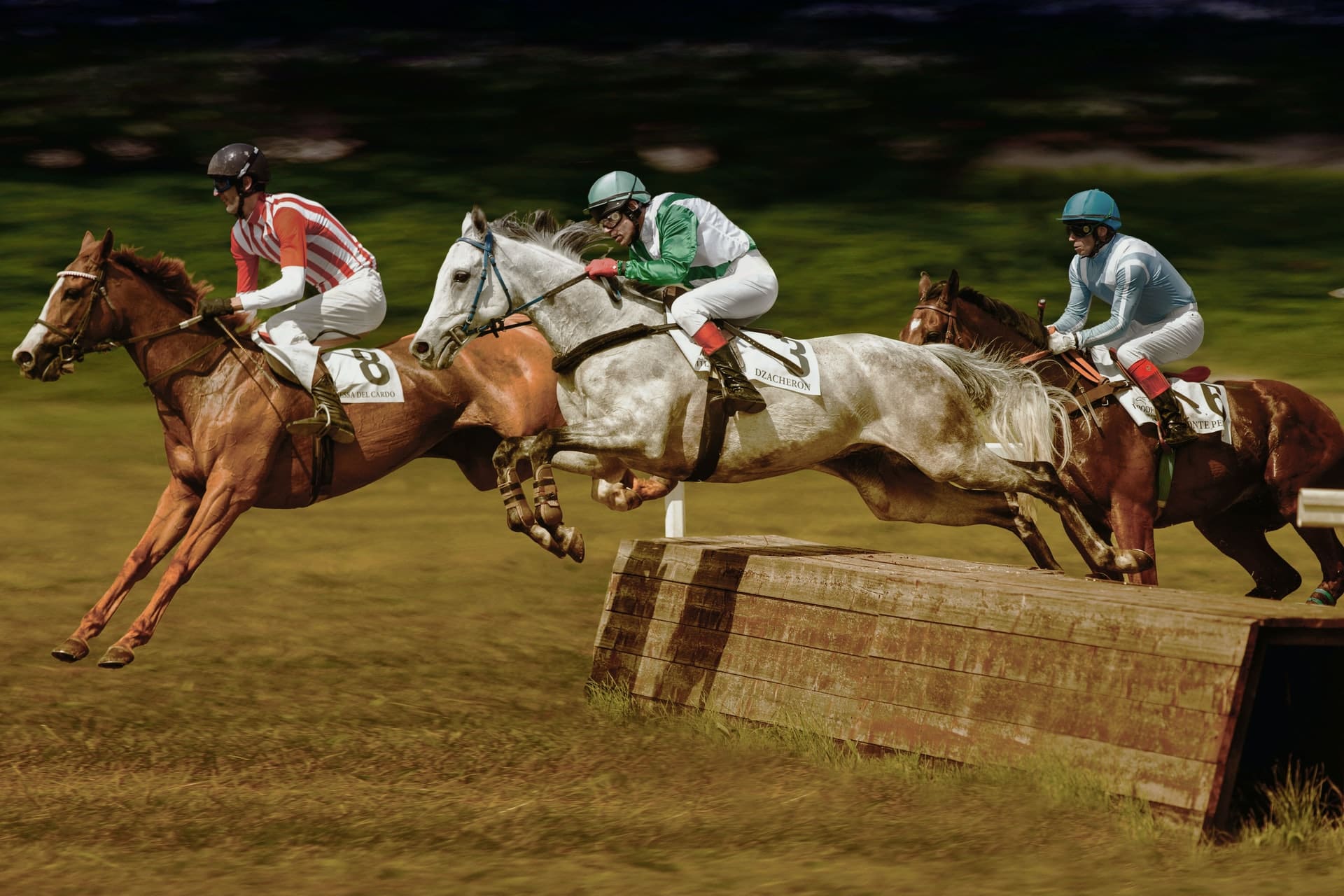
競馬はイメージ的に、男性がギャンブルの手法としてやっているものだと感じられます。
しかしそれは大きな間違いで、今の時代は女性も競馬にはまっている人が非常に多いです。
・競馬初心者の女子でも楽しめる競馬の魅力5選
・競馬初心者女子が気を付けるべきこと
今回は、競馬初心者の女子でも楽しめる競馬の魅力と気をつけるべき点などをご紹介します。
競馬初心者の女子でも楽しめる競馬の魅力5選

競馬初心者の女子でも楽しめる競馬の魅力は、以下の5つになります。
・競馬場は入場料たった200円で入ることが可能
・飲食店が並んでいる
・UMAJO SPOT
・馬と実際に触れ合うことができる
・イベントが盛りだくさん
これらの理由について詳しく見ていきましょう。
競馬場は入場料たった200円で入ることが可能
競馬場はなんと、たった200円で入ることができます。
競馬場にもよりますが、100円で入れるところもあります。
これはもしかしたら競馬について知らない方は、無料で競馬場に入れると思っている人がいるかもしれません。
しかし、そこは入場料が必要
お金を渡さないと入ることはできません。
だが、その入場料はたった200円なので、必要以上のお金を手渡す必要がありません。
この200円さえ払って入場すれば、朝から夕方まで開いている時間内に競馬を楽しむことができます。
飲食店が並んでいる
競馬場は競馬を楽しむ場以外にも、飲食で楽しむこともできます。
いわゆるグルメスポットが豊富に並んでおります。
東京競馬場には、カレー、ラーメン、ファーストフードなどが揃っております。
しかも、ホテルにあるレストランの料理なども提供しております。
大体60種類の飲食店が並んでいますので、好きなところを点々と歩くことができます。
他の競馬場には、ビアガーデンができる店舗もあるので飲食店のラインナップが豊富です。
そこで、椅子に座ってご飯を食べても、ファーストフードを食べて楽しんでも、スタンドで実際に競馬場を見ながら食べてもOKです。
とにかく、飲食店の種類が多いので、女子も非常に満足すると感じられます。
UMAJO SPOT
競馬場全てに存在するものではないのですが、男性はお断りの女性専用リラックススペースがあります。
料金に関しては無料で提供しているので、お金がなくても女性なら誰でも入ることができます。
このUMAJO SPOTには、なんと無料でドリンクが配布されたり、ここでしか食べられないスイーツなども販売されております。
とにかく女性が大好きな雰囲気、商品、サービスなどが提供されているので、競馬で楽しまなくてもここでリラックスできるひとときを楽しむことができます。
店員は女性コンシェルジュなので、何か困った時があれば声をかけていただいて大丈夫です。
とにかくリラックスしたい、落ち着きたい、スペースが欲しい女性には、非常におすすめのスポットだと言えます。
馬と実際に触れ合うことができる
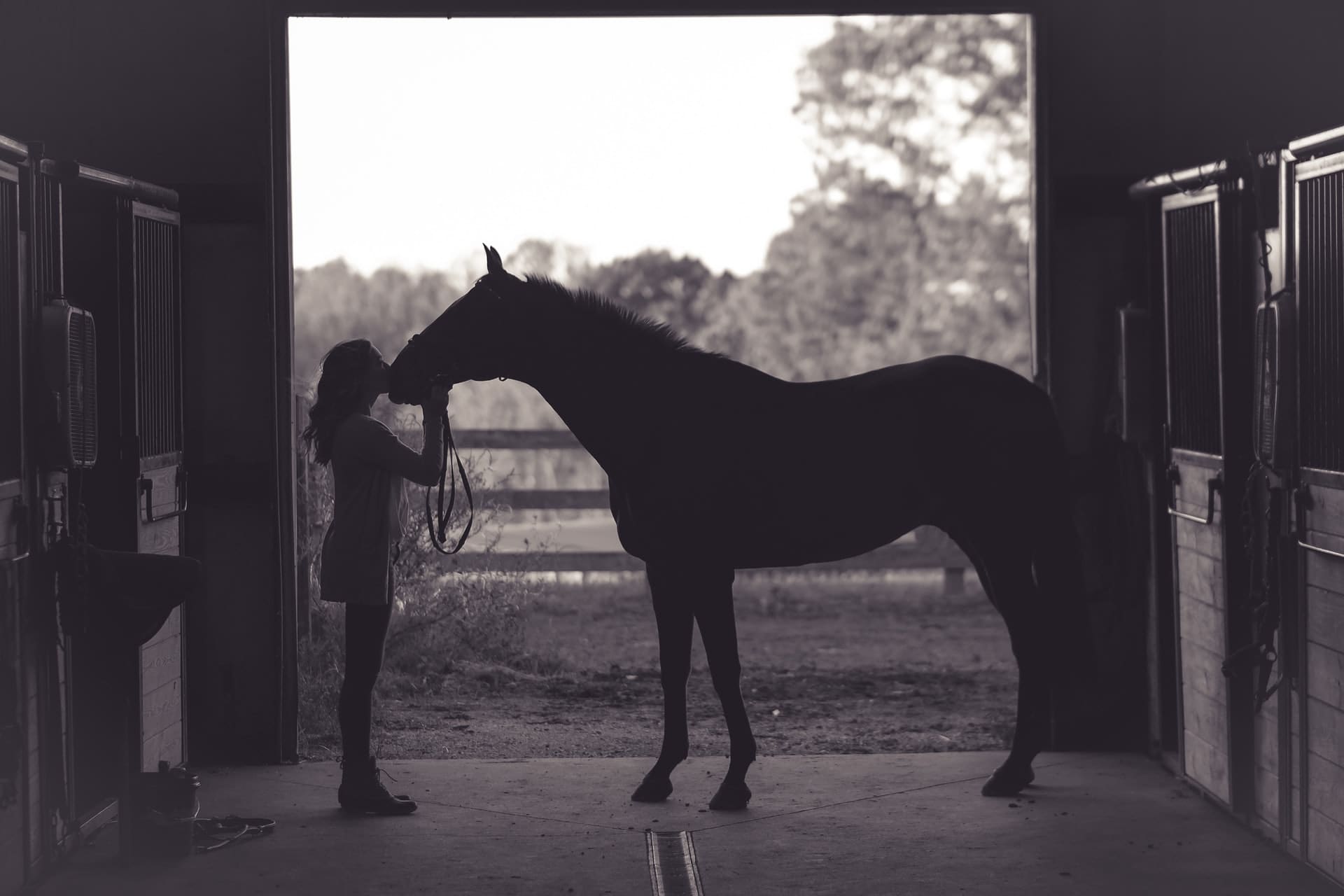
競馬場で実際に馬と触れ合うことが可能です。
しかし、こちらも競馬場によってあるところないところがあります。
馬車に乗ったり、ミニチュアホースに実際に触れることができます。
あまり競馬に興味のない方は競馬を楽しむのではなく、こちらの馬と実際に触れ合えるコーナーで楽しむというのもありです。
実際に馬に触れ合う目的で来てもらっても大丈夫だと思います。
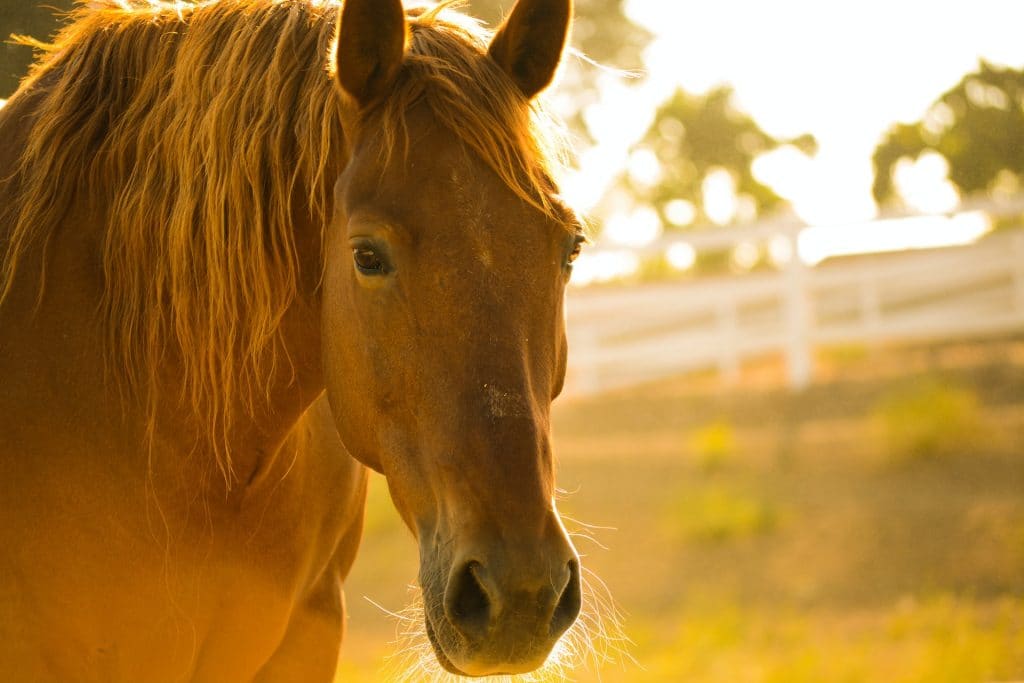
競馬場にいる馬はセラピストアニマルとして置いております。
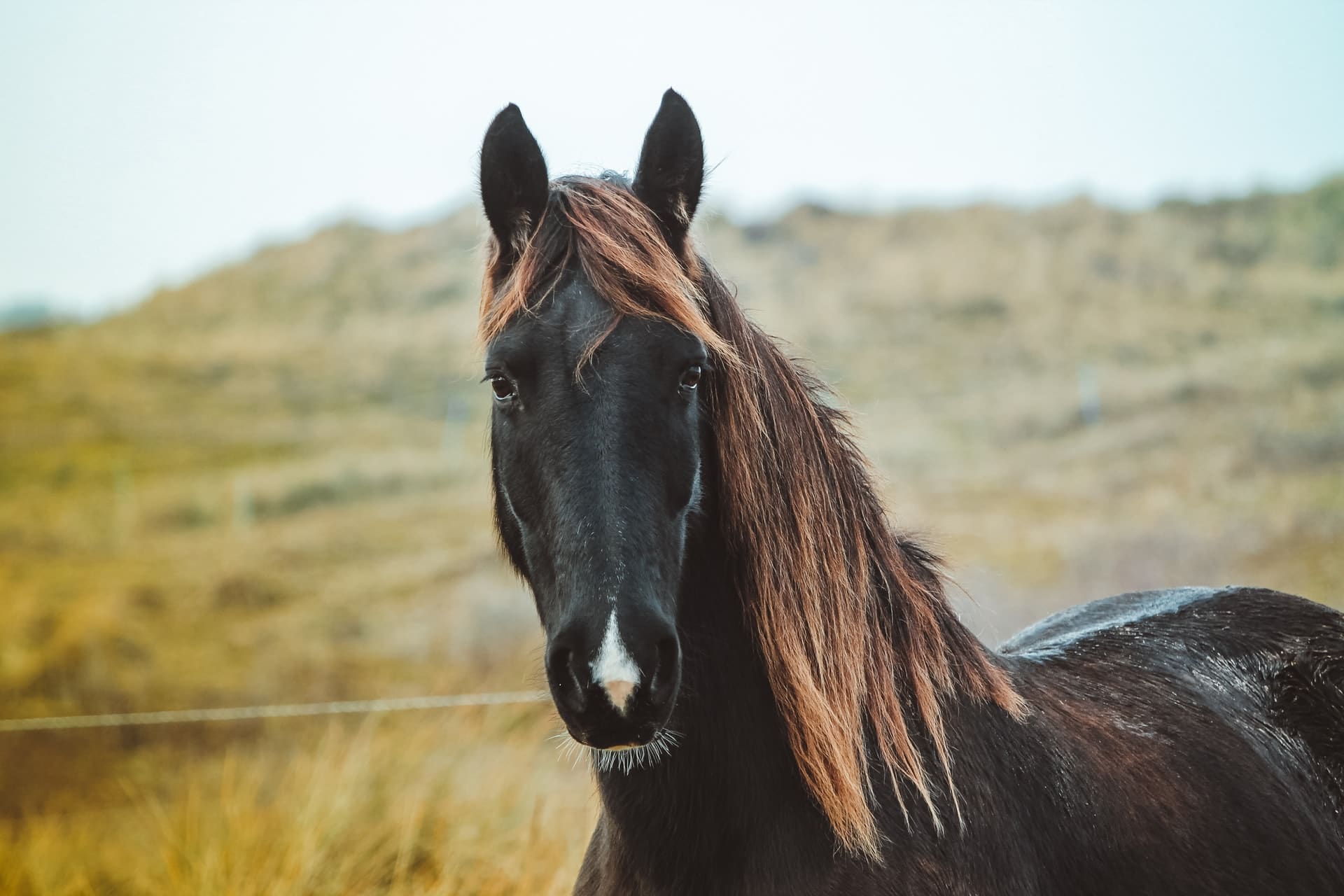
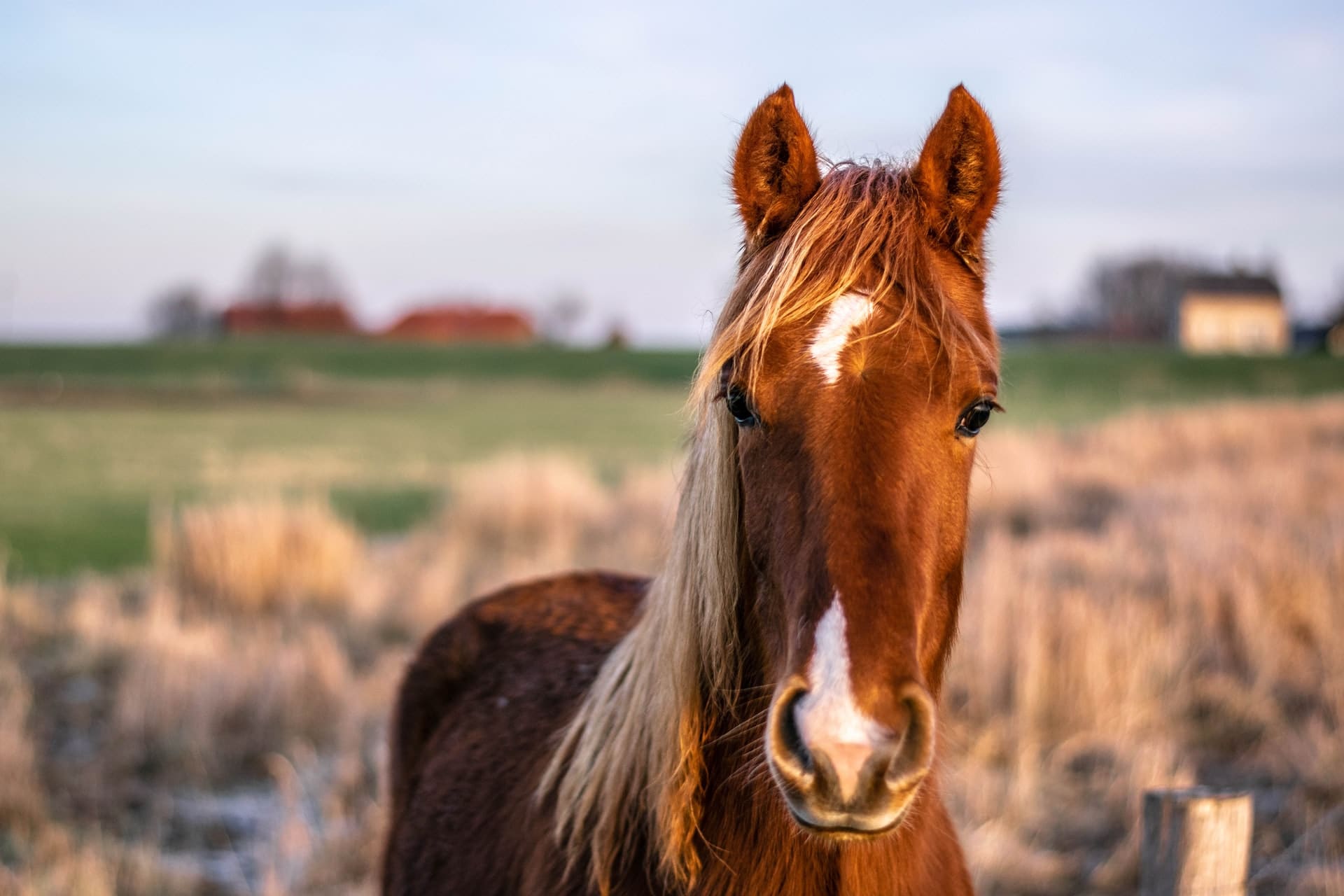
その馬の表情は非常に優しい目をしており、体も非常に温かく毛並みもツヤがあり、常に綺麗な状態のまま重宝されております。
女性の方は実際に馬と触れ合うことで、心身ともに気持ちが落ち着くかと思われます。
イベントが盛りだくさん
競馬場には、さまざまなイベントが開催されております。
競馬場でこんな企画もやるんだ・・・と思うようなイベントが頻繁に行われております。
例えば、ヒーローショー、お笑い芸人のライブ、ミュージシャンのトークショー&ライブ、グルメフェスティバルなど・・・。
競馬以外に関することも行事の一部として行っているので、競馬に興味のない女性にも十分楽しめるかと思います。
また、JRAとなにかコラボをする時、その関連グッズの販売をよくされています。
これは競馬に興味のある方は、ぜひチェックしておきたいイベントになります。
競馬初心者女子が気を付けるべきこと
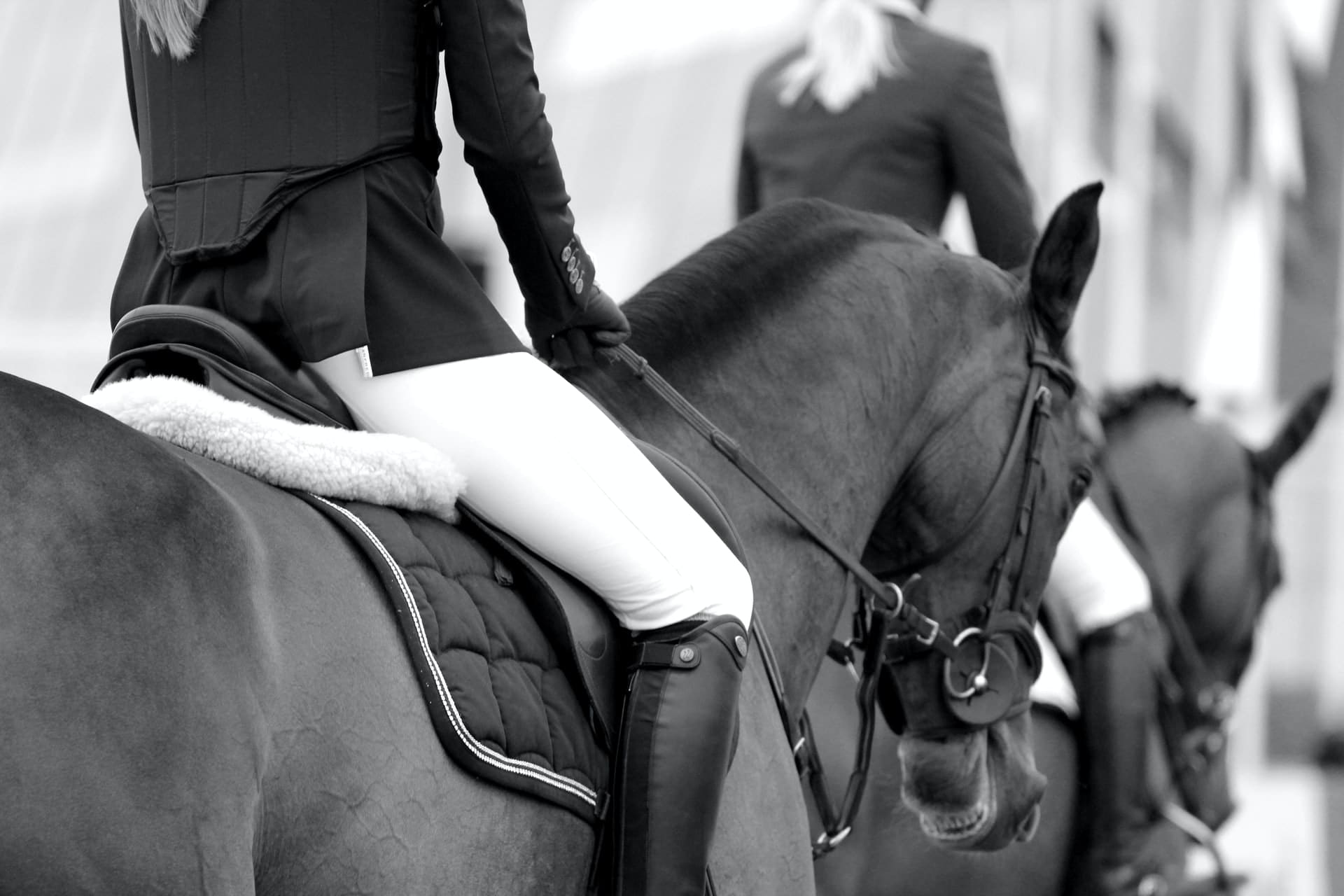
競馬初心者女子が気を付けるべきことは、以下の2つになります。
・競馬場は基本的に外で広い
・重賞レースの日はやめておく
これらの理由について詳しく見ていきましょう。
競馬場は基本的に外で広い
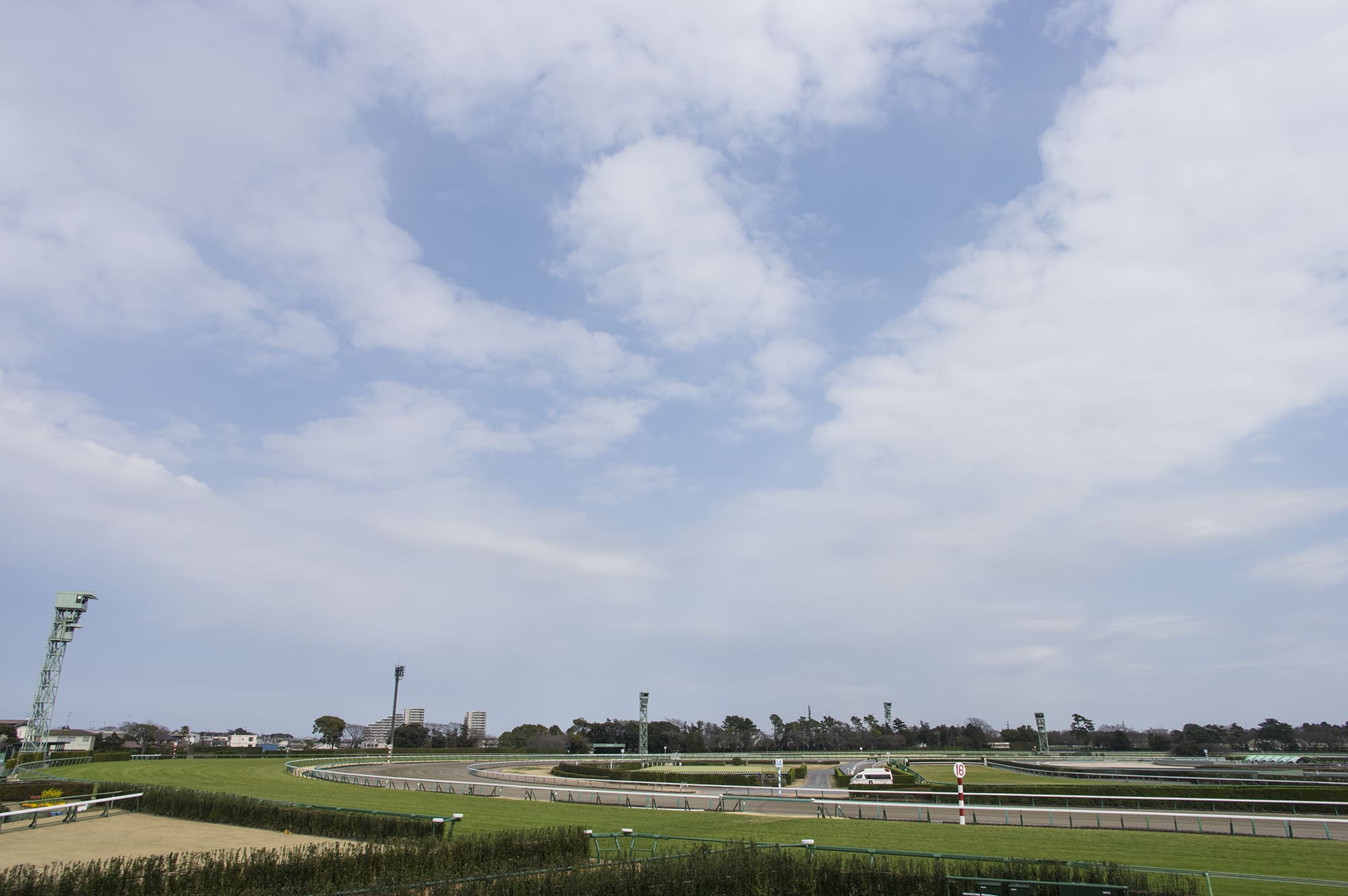
競馬場は基本的に外で行われています。いわゆる屋外です。
外にあるものなので基本的には、UVケアなどの対策をしたほうがいいでしょう。特に女性の方は
また、風が強い日には会場にいても風がビュービューと吹いてきます。
なので競馬場に行くときは、スカートではなくズボンを履いた方が動きやすいでしょう。
スカートで行くと、風が吹いてスカートが気になって競馬レースに集中できないことがあります。
ただ、指定席は完全な個室となっているので、その場合はスカートで行っても大丈夫です。
また競馬は、とても広い会場で行われています。
東京競馬場の大きさは、なんと約620㎡もあります。
東京ドームは470㎡なので、東京ドームより一回り大きいです。
なので競馬場に行く時はさっきも言ったように、動きやすいズボンで行った方が広い会場をぐるぐるとまわれます。
また、動きづらいヒールなどを履くのではなく、スニーカーなどの運動靴で行った方が、全体をスムーズに歩き回ることができます。
重賞レースの日はやめておく
重賞レースの日に競馬場に行くのは、やめたほうが賢明です。
なぜならこの日はグレードの高いレースの日となっております。
それを狙ったお客さんが非常に多いので、その日に集まる客が一斉にわっと集中します。
とにかく人がめちゃくちゃ多いので、そこら辺を気楽に歩きまわれない恐れがあります。
人が密集している競馬場に行ってしまうと、ここがどこなのか自分の連れて来た人がどこにいるのか 、分からなくなってしまう場合があるのでかなりの注意が必要です。
それが原因で、競馬を楽しめない可能性も・・・
なので、もし競馬場で競馬初心者の女子が楽しみたければ、重賞レースを避けた方がいいです。
ただ重賞レースを見に行きたい場合は、お客さんが多いことをしっかりと認識してから行くようにしましょう。
まとめ
今回は、競馬初心者の女子でも楽しめる競馬の魅力と、気をつけるべき点などについてお話しさせていただきました。
競馬は、入場料たった200円で入ることができます。
この200円さえ払えば、朝から夕方まで競馬を楽しむことができます。
また競馬場には飲食店が豊富に揃っており、カレー、ラーメン、ファーストフードなど全て楽しむことができます。
なんとホテルにあるレストランの料理なども提供しているので、飲食としても非常に嬉しいラインナップが揃っております。
また、UMAJO SPOTという男性お断りの女性専用リラックススペースなども存在しています。
入店料金は無料です。
無料でドリンクが配布されたり、ここでしか食べられない絶品スイーツなどが販売されています。
競馬場で実際に馬と触れ合うことも可能です。
馬車に乗ったり、ミニチュアホースに実際に触れることもできます。
競馬場にいる馬はセラピストアニマルとして置いているので、彼らの存在に非常に癒されていきます。
競馬以外にもさまざまなイベントが開催されているので、競馬に興味がない女性でも十分楽しめることができます。
]]>